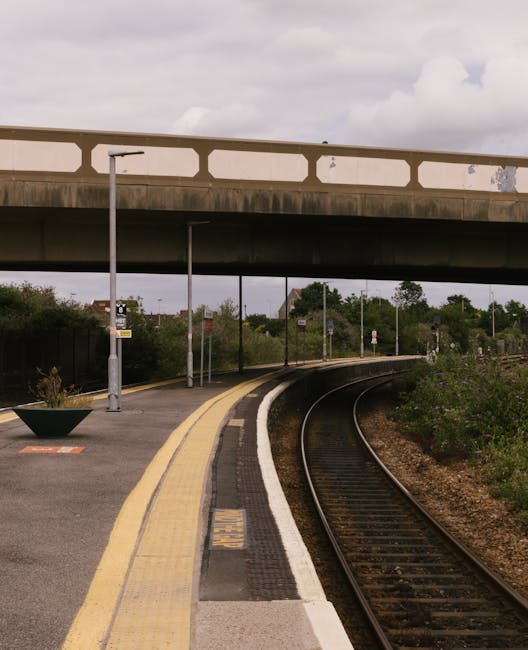
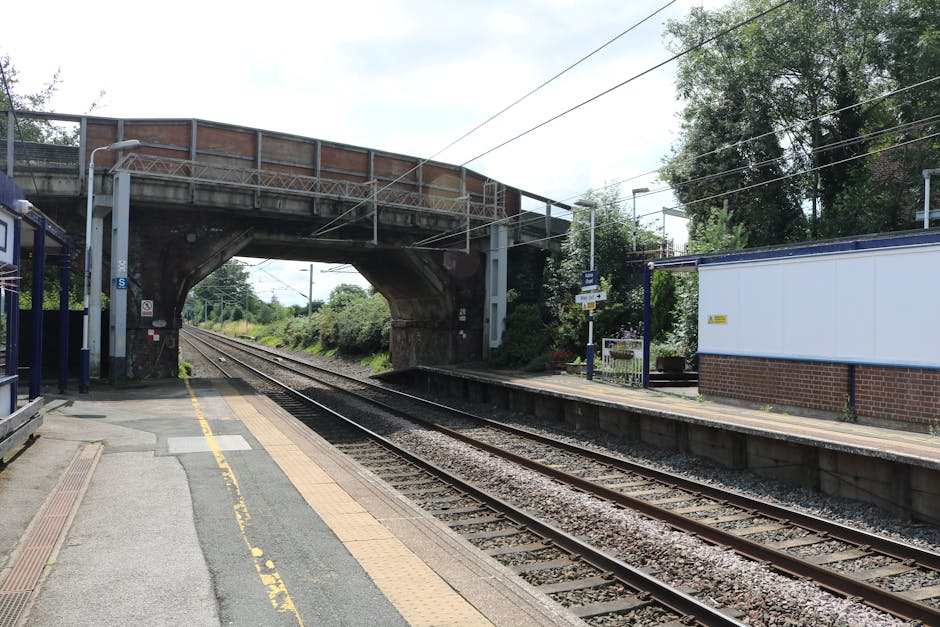
Barnes Bridge Station gardeners for commuter terrace gardens
If you live near Barnes Bridge Station, you will know the rhythm of commuter life: early trains, late returns, and those in-between moments when the terrace quietly asks for attention. Barnes Bridge Station gardeners for commuter terrace gardens are for exactly that kind of home. The idea is simple, but the value is big: create a terrace garden that looks good, survives a busy schedule, and still feels like a proper outdoor room rather than a neglected strip of pots.
This guide breaks down what that service means in practice, how it works, who it suits, and what to expect if you want a terrace that stays tidy, healthy, and genuinely pleasant to use. We will also cover common mistakes, planning tips, best-practice care, and the small details that make commuter gardening far less stressful. Because let's face it, a terrace should make life easier, not add another weekend job.
Table of Contents
- Why Barnes Bridge Station gardeners for commuter terrace gardens matters
- How Barnes Bridge Station gardeners for commuter terrace gardens works
- Key benefits and practical advantages
- Who this is for and when it makes sense
- Step-by-step guidance
- Expert tips for better results
- Common mistakes to avoid
- Tools, resources and recommendations
- Law, compliance, standards, or best practice
- Options, methods, or comparison table
- Case study or real-world example
- Practical checklist
- Conclusion
- Frequently asked questions
Why Barnes Bridge Station gardeners for commuter terrace gardens Matters
A terrace garden near a busy station has a very different life from a large suburban lawn. It gets less time, more footfall, more wind exposure, and usually far less room for error. One dry spell, one missed watering stretch, and the whole thing can go from polished to tired very quickly. That is why a commuter-focused approach matters.
In practical terms, Barnes Bridge Station gardeners for commuter terrace gardens are about designing and maintaining planting that can cope with the pace of everyday London life. The goal is not just to keep things alive. It is to create a space that feels calm when you step outside with a coffee, or when you arrive home and want ten quiet minutes before dinner.
There is also a local element here. Barnes has a well-kept, residential feel, and terrace gardens often sit close to neighbours, rail lines, shared walls, or small enclosed spaces. That means the planting needs to look deliberate, stay contained, and work well in containers, raised beds, or slim border areas. A good gardener understands that scale, restraint, and neatness matter just as much as colour.
Expert summary: The best commuter terrace gardens are not high-maintenance showpieces. They are carefully chosen, easy to maintain, and resilient enough to stay attractive even when your week gets hectic.
For many homeowners, the real benefit is mental, not just visual. A space that is alive but orderly can make the difference between feeling rushed and feeling restored. Small thing, maybe. But you feel it.
How Barnes Bridge Station gardeners for commuter terrace gardens Works
The process usually starts with a walkthrough of the terrace and a conversation about how you actually use the space. Do you need morning privacy? A seat in the sun? Better drainage? Less pruning? That conversation matters more than people expect. A terrace garden should fit your routine, not the other way round.
From there, a gardener will usually assess:
- sun exposure through the day
- wind and shelter conditions
- existing containers, planters, or raised beds
- soil condition and drainage
- irrigation or watering access
- the amount of maintenance you can realistically manage
- any safety or access constraints, especially on upper terraces
Once those basics are clear, the work generally falls into a mix of design, planting, and maintenance. For example, a terrace that dries fast may need more moisture-retentive compost, mulch, and hardier plants. A windy terrace may benefit from structural planting, taller grasses, or screening shrubs in secure containers. A shady terrace may do better with foliage-led planting rather than flower-heavy schemes that sulk in low light.
Maintenance then becomes the quiet engine behind the whole look. On commuter terraces, that often means pruning, deadheading, feeding, checking water levels, refreshing compost, and keeping pots looking clean and intentional. Nothing flashy. Just steady care. Truth be told, that is usually what people need most.
If you are exploring wider support for local garden work, it can help to review the services overview first so you can match the right level of help to the terrace you actually have.
Key Benefits and Practical Advantages
The best terrace garden service near Barnes Bridge Station delivers more than tidy plants. It reduces pressure, improves the use of space, and helps your garden stay attractive across seasons without constant rescue work.
Here are the main benefits in plain English:
- Less weekend burden: The terrace stays presentable without you having to catch up every Sunday.
- Better plant survival: Plants are chosen for the conditions, not just for looks.
- Cleaner visual lines: Small spaces look better when containers, pruning, and structure are managed well.
- More usable outdoor time: A well-kept terrace invites you outside, even if only for a short break.
- Better seasonal performance: The space can be refreshed before key growing periods rather than left to drift.
- Reduced waste: Thoughtful care avoids unnecessary plant replacement and overbuying.
There is also a subtle but real design benefit. A commuter terrace often works best when it has a few strong features rather than too many competing ones. One statement planter, a reliable evergreen backbone, and perhaps a seasonal accent or two can look more expensive and more settled than a crowded collection of bits and pieces. Not every terrace needs to be bursting at the seams. In fact, most are better when they are not.
For clients who want better value and clearer expectations, it is sensible to look at pricing and quotes early on. That tends to prevent the awkward moment where everyone wants the same thing, but not in the same budget. Happens more than you would think.
Who This Is For and When It Makes Sense
This kind of gardening support is especially useful if your terrace is exposed, compact, or simply too important to leave to chance. It suits people who want a polished outdoor space without spending every spare minute on it.
It often makes sense for:
- daily commuters with little daytime gardening time
- busy couples or families who want a low-stress terrace
- homeowners preparing to sell or rent and wanting a tidy outdoor impression
- people with rooftop or upper-level terraces that dry out quickly
- garden owners who like plants but dislike constant maintenance
- older residents or anyone who prefers help with heavier jobs
It can also be the right move after a period of neglect. A terrace often reaches a point where the pots are tired, the soil is exhausted, and the layout feels random. That is usually the moment a proper reset pays off. Not always a full redesign. Sometimes just a better structure and a cleaner maintenance rhythm.
On the other hand, if your terrace is already very simple and you enjoy the hands-on work, you may only need occasional support rather than ongoing care. There is no rule saying you must outsource everything. The useful question is: what takes the pressure off, while still leaving you with a space you enjoy?
Step-by-Step Guidance
If you are planning a commuter terrace garden, it helps to think in stages. That way you avoid buying plants first and solving problems later, which is a classic little trap.
- Start with use. Decide what you want from the terrace: seating, privacy, colour, herbs, screening, or all of the above.
- Check the conditions. Note sun, shade, wind, drainage, access, and whether there is a water source nearby.
- Measure the space honestly. Small terraces look worse when they are overcrowded. Leave room for movement.
- Choose the right planting format. Pots, troughs, raised planters, and vertical features all have different maintenance needs.
- Build a backbone. Use evergreen structure, reliable foliage, or a few repeat plants to keep the space consistent.
- Add seasonal interest. Rotate planting so the terrace still feels fresh through spring, summer, and the cooler months.
- Plan the maintenance rhythm. Decide what needs weekly attention, monthly attention, and seasonal refreshing.
- Review after the first few weeks. A terrace often teaches you its real habits once the weather changes.
One small but valuable tip: keep a simple note of what dries fastest, what gets scorched, and what always looks good. A phone note is fine. Proper gardeners sometimes make this look more glamorous than it is, but really it is just observation and repetition.
If you are unsure how to sequence the work, the team background and service approach described on the about us page can help set expectations before you commit.
Expert Tips for Better Results
Good terrace gardening is mostly about making sensible choices early. A few small decisions can save you a lot of trouble later.
- Use larger containers where possible. They hold moisture better and are more forgiving when you miss a watering day.
- Group plants by need. Put thirsty plants together and sun-lovers together. Makes care simpler.
- Choose a limited palette. Two or three repeating materials or colours often look cleaner than a mix of everything.
- Prioritise drainage. Terrace gardens fail more often from waterlogging than people expect.
- Think about wind movement. On exposed terraces, tall floppy plants can look ragged within days.
- Feed lightly but consistently. Container plants use up nutrients faster than ground planting.
- Deadhead and tidy regularly. A five-minute tidy can change the whole feel of the space.
Another subtle tip is to lean on texture, not just flowers. Glossy leaves, silvery foliage, upright grasses, and compact shrubs can keep a terrace interesting even when blooms are sparse. That matters in London, where a terrace can move from bright sun to drizzle in what feels like twenty minutes. Very London, that.
If sustainability is part of your decision-making, you may also want to look at the company's approach to materials and waste on the recycling and sustainability page. Terrace gardens create packaging, compost, prunings, and old containers, so it helps when those are handled thoughtfully.
Common Mistakes to Avoid
There are a few recurring mistakes that show up in terrace gardens again and again. The good news is that they are very avoidable once you know what to watch for.
- Choosing plants for appearance alone. A beautiful plant that hates wind or sun will become a nuisance.
- Overfilling the terrace. Too many containers make the space feel smaller and harder to maintain.
- Ignoring weight and access. Heavy planters on an upper terrace can be difficult to move and may need careful placement.
- Forgetting watering logistics. If water access is awkward, maintenance will always feel harder than it should.
- Using poor compost or old soil indefinitely. Container soil gets tired; it is not a forever material.
- Neglecting pruning and rotation. A plant may be healthy but still look untidy without regular shaping.
There is one more mistake that people do not always talk about: trying to make a terrace do the job of a full garden. It is not the same thing. A terrace works best when it is designed to its own scale. Once you accept that, the whole project becomes easier. Much easier.
Tools, Resources and Recommendations
You do not need a van full of equipment to maintain a commuter terrace, but a few tools make life significantly easier. The right kit also means less faffing around, which is always welcome before the train whistle starts in the distance.
Helpful essentials include:
- a compact watering can or hose solution suited to the layout
- quality secateurs for pruning and deadheading
- a hand trowel and narrow cultivator for containers
- gloves with grip for handling pots
- slow-release or liquid feed suitable for container planting
- mulch or top dressing to reduce moisture loss
- stable planters and saucers where overflow could be an issue
For homeowners who want a broader view of available support, the services overview is a sensible place to understand how terrace maintenance can sit alongside other garden care. If you are comparing support levels, the pricing and quotes page is also useful for understanding how work is typically structured before you make a decision.
It is also worth considering how the garden will be maintained between visits. A terrace that gets one professional visit and then no attention for weeks is usually a problem waiting to happen. The best results come when professional help and small owner habits work together. Watering, checking, and light tidying do not need to be a big production.
Law, Compliance, Standards, or Best Practice
Most terrace gardening work is straightforward, but there are still a few best-practice points worth keeping in mind. If work is being done in a home setting, it should be carried out with appropriate care around access, trip hazards, lifting, tools, and any existing structures. For upper terraces and compact spaces, safe handling matters more than people sometimes assume.
Where relevant, a professional gardening service should be clear about how it manages health and safety, especially when working near railings, shared access points, steps, or other awkward spots. It is sensible to ask how the team approaches risk, what happens if something looks unsafe, and how materials are handled. That is not being difficult. That is being sensible.
Trusted providers also tend to have clear service terms, payment expectations, and complaints handling. Those things are not exciting, but they are part of a reliable working relationship. If you want to check those basics, look at the health and safety policy, insurance and safety, terms and conditions, and complaints procedure.
For accessibility, privacy, and payments, it is also reassuring when a business makes its approach easy to review. That is one reason pages like the accessibility statement, privacy policy, cookie policy, and payment and security page matter, even if they sit slightly outside the planting conversation.
And yes, if you are thinking about bigger-picture responsibility, the modern slavery statement can also be a sign that a company takes its wider obligations seriously. That may sound distant from terrace planters, but it is part of the trust picture.
Options, Methods, or Comparison Table
Not every terrace needs the same style of care. Some need light-touch help, others need hands-on design and ongoing maintenance. The table below gives a simple comparison of the most common approaches.
| Approach | Best for | Pros | Trade-offs |
|---|---|---|---|
| Occasional tidy-up visits | Already decent terraces needing seasonal refreshes | Lower commitment, good for maintenance resets | Can still require owner watering between visits |
| Regular maintenance plan | Busy commuters who want consistency | Keeps planting healthy and looking intentional | Needs a clear schedule and budget |
| Full terrace redesign | Overgrown, awkward, or poorly planted spaces | Solves layout and plant-choice problems at the root | More upfront planning and usually more initial work |
| Owner-led care with expert advice | People who enjoy hands-on gardening | Flexible and often cost-effective | Requires time, confidence, and regular attention |
Which one is right? Usually it comes down to time, access, and how much you want the terrace to do for you. If the space is meant to be a daily visual lift, a regular maintenance rhythm is often the best fit. If it is more of a bonus outdoor corner, occasional support may be enough.
Case Study or Real-World Example
Imagine a terrace near Barnes Bridge Station that had become a bit of a mixed bag. A few good pots were still standing, but they were crowded by tired containers, dried-out compost, and a couple of plants that looked fine in spring and then gave up in summer. The owners worked long days and kept saying they would sort it at the weekend. Naturally, the weekend kept disappearing.
The practical fix was not dramatic. First, the clutter was reduced. Then the planting was simplified into a few repeated containers with better drainage, more resilient foliage, and seasonal colour in smaller doses. A couple of taller elements were added for structure and privacy. The result was calmer straight away. Not perfect, just much more coherent.
By the end of the first maintenance cycle, the owners were doing far less rescue work. They still checked the pots, of course, but the terrace no longer looked like it was waiting for a miracle. That is the real point of good commuter terrace gardening: it stops feeling like a problem.
To make the next step easier, many homeowners prefer to start with a direct enquiry through the contact us page once they have a sense of the style of help they need.
Practical Checklist
Use this checklist before you book or begin a terrace project. It keeps the brief clear and saves time later.
- Have you identified how much sun and shade the terrace gets?
- Do you know whether the space is windy, sheltered, or both at different times?
- Have you checked drainage and watering access?
- Are the planters suitable for the space and weight constraints?
- Do you want low-maintenance planting, seasonal colour, privacy screening, or all three?
- Is there a realistic schedule for watering, pruning, and feeding?
- Have you chosen plants that suit container life rather than open ground?
- Are you clear on budget, service frequency, and expected upkeep?
- Do you know what will be removed, recycled, or replaced?
- Have you reviewed trust and service details such as payment, safety, and terms?
If you can answer most of those questions, you are already ahead of the game. If not, that is fine too. It just means the brief needs a bit more thinking before work starts.
Get a free quote today and see how much you can save.
Conclusion
Barnes Bridge Station gardeners for commuter terrace gardens are about making a small outdoor space work properly in real life. Not in theory. In real life, with trains to catch, rain to dodge, and evenings that disappear faster than expected. The right approach gives you structure, resilience, and a terrace that feels easy to live with.
Whether your space needs a reset, a smarter planting plan, or simply more regular care, the smartest move is to start with how you use the terrace and what it can realistically handle. From there, the work becomes much more manageable. And the result can be lovely, honestly. Quietly lovely. The kind of space that makes coming home feel better.
If you want a terrace that keeps its shape through busy weeks and changing seasons, that is absolutely achievable. Just take it one clear step at a time.
Frequently Asked Questions
What do Barnes Bridge Station gardeners for commuter terrace gardens actually do?
They help design, plant, and maintain terrace gardens for people with busy routines. That can include container planting, pruning, watering plans, seasonal refreshes, drainage improvements, and general tidying.
Are commuter terrace gardens difficult to maintain?
They can be, if the planting is not suited to the space. But with the right containers, plant choices, and maintenance rhythm, they can be far easier to manage than most people expect.
How often does a terrace garden need attention?
That depends on sunlight, wind, and plant choice. Some terraces need weekly checking in warmer weather, while others can manage with less frequent professional visits plus light owner care.
What plants work best for a terrace near Barnes Bridge Station?
That depends on the exact conditions. In general, hardy container-friendly plants, robust foliage, and a few seasonal accents tend to work better than delicate plants that need constant protection.
Can a terrace garden still look good if I am away during the week?
Yes. That is one of the main reasons people use a commuter-focused gardening service. The key is choosing resilient planting and setting up a simple care routine that does not depend on daily attention.
Is a terrace garden more expensive than a normal garden?
It can be, if the terrace needs specialist containers, access work, or a complete redesign. But smaller spaces can also be more efficient to maintain once they are properly planned.
What is the biggest mistake people make with terrace gardens?
Usually it is overcrowding the space or choosing plants without thinking about wind, drainage, and watering. The second biggest mistake is assuming all containers are low maintenance. They are not, really.
Do I need a full redesign, or just maintenance?
If the layout is fundamentally fine, maintenance may be enough. If the terrace feels cluttered, unbalanced, or hard to keep alive, a redesign may save time and money in the long run.
How do I know if a gardening service is trustworthy?
Look for clear service information, transparent pricing, safety practices, and easy-to-understand terms. Pages such as about, insurance, health and safety, and payment details should make the business feel open and organised.
Can terrace gardening help with privacy?
Yes. The right planting can soften views from nearby windows, create screening, and make a terrace feel more enclosed without blocking light completely.
What should I ask before booking terrace garden help?
Ask about experience with container planting, maintenance frequency, plant recommendations, drainage, access, and what is included in the service. It is also wise to ask how they handle waste and replacements.
How do I get started if my terrace is in poor shape?
Start with an assessment, not shopping. A good first step is to contact a local team, explain the current condition honestly, and ask for a practical plan that fits your budget and time.
Sometimes the best garden work is the kind that quietly makes everything else in your week feel a bit lighter. And that is no small thing.